How a Four-Page Kentucky Weekly Put the Army’s Top General in Print
In July 1806, a new four-page Kentucky weekly named General James Wilkinson, the U.S. Army’s highest-ranking officer, in its account of an alleged plot to split the West from the United States.
Who put the Army’s top general in a Kentucky weekly’s account of an alleged secession plot, and what did it cost them?
Frankfort, Kentucky, July 1806 — A new weekly called The Western World had just four pages an issue. In its opening series, the paper named General James Wilkinson, the highest-ranking officer in the United States Army, in an account of an old plan to split western lands from the country. The West, in the plan the editors described, would align with Spain.
The general was hardly the only prominent man in those pages. The paper also named former U.S. senator John Brown, federal judge Harry Innes, and Kentucky appeals judge Benjamin Sebastian. For a newspaper that had to borrow another paper’s press to get started, it was quite a list.
Two newcomers and a borrowed press
The men who put Wilkinson’s name in print were John Wood, a Scottish-born writer, and Joseph Montfort Street, who was 23 when the weekly launched. They had come to Frankfort from Richmond, Virginia, in early 1806. In Richmond, Wood had worked as an editor, a teacher, and the city surveyor.
A later county history pictures the two men walking through muddy Frankfort, with Wood carrying a knapsack and a surveying instrument. It’s a vivid scene, but not a verified account of their arrival. The county history even gets Street’s first name wrong.
What is clear is that Wood and Street started without a printing press of their own. They arranged to use the press associated with another newspaper, The Palladium. The earliest issues were printed for Joseph M. Street & Co.; by November, an issue carried the firm’s own press imprint.
The accusations and the backlash
The opening series took up what is known as the Spanish Conspiracy: the alleged effort to separate western lands from the United States and align them with Spain. Wood and Street accused powerful Kentuckians of backing that old plan. But a list of names in a newspaper was not proof that everyone on it had taken part.
In Wilkinson’s case, there was a real connection: Spain paid him for information and influence. That fact does not establish the paper’s broader accusations. Sebastian’s case had its own evidence, too: he resigned during a legislative inquiry that heard evidence of his Spanish pension.
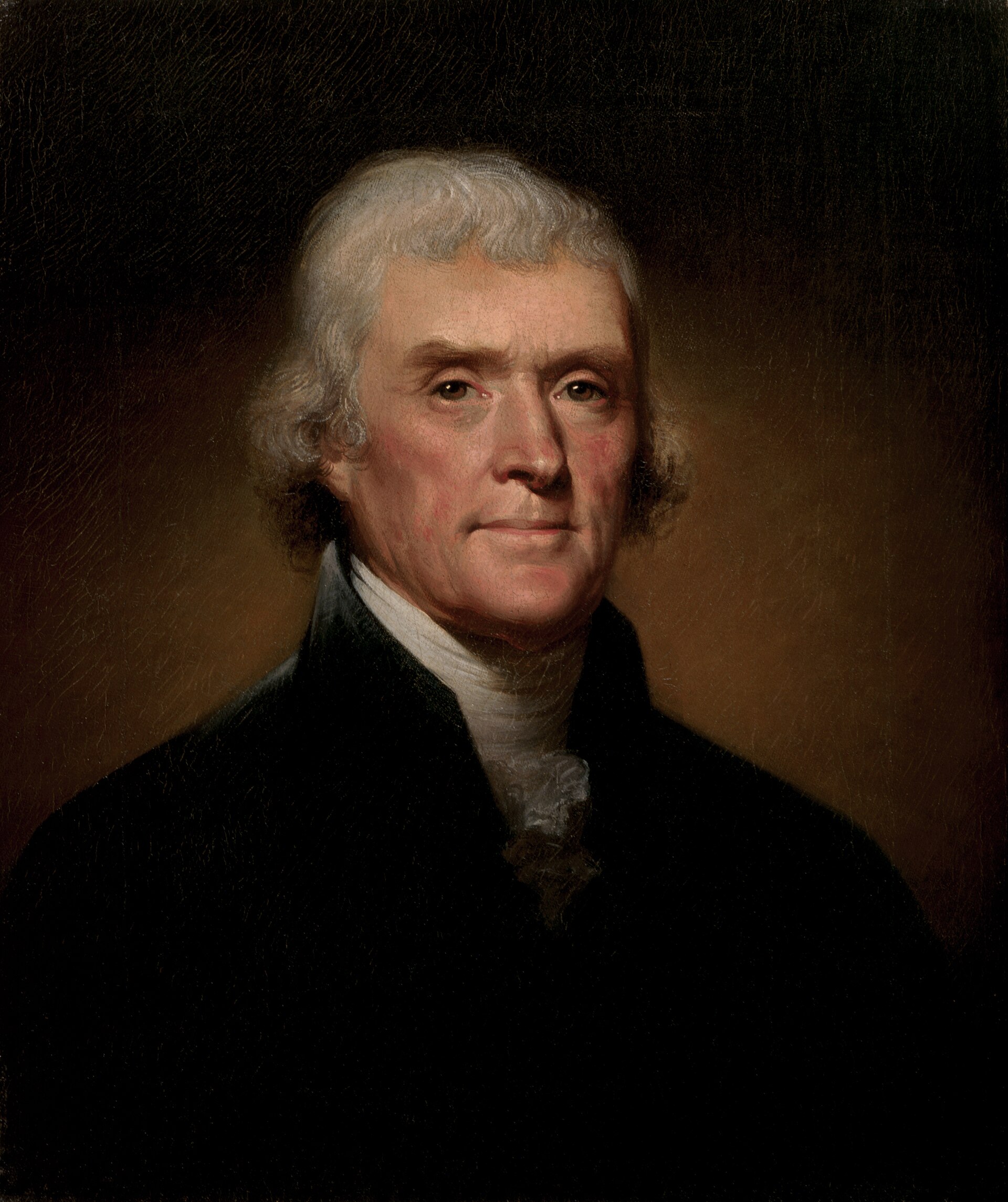
Brown answered the allegations in a letter to President Thomas Jefferson. He denied what the paper said about him and told Jefferson that it had disturbed Kentucky’s peace. Whatever Brown thought privately, his letter puts the uproar on the record in his own account.
The accusations brought threats, challenges to duels, and libel suits over what the paper printed. Within weeks of the launch, a man named George Adams shot Street during a confrontation in town. The shooting was not a formal duel, and it was separate from the challenges the paper’s accusations had drawn.
Street gave his version of the confrontation in The Western World. Adams gave a different account in The Palladium, the same paper whose press the newcomers had arranged to use. Accounts also differ on how badly Street was wounded: historian James E. Lewis Jr. describes the wound as a graze, while a later account by one of Street’s descendants describes it as nearly fatal.
The two newspapers thus carried different versions of a street confrontation involving one of the editors. And the details that can be stated plainly—that Adams shot Street, in town, within weeks of the launch—are firmer than the accounts of how serious the wound was.
The same general, a separate story
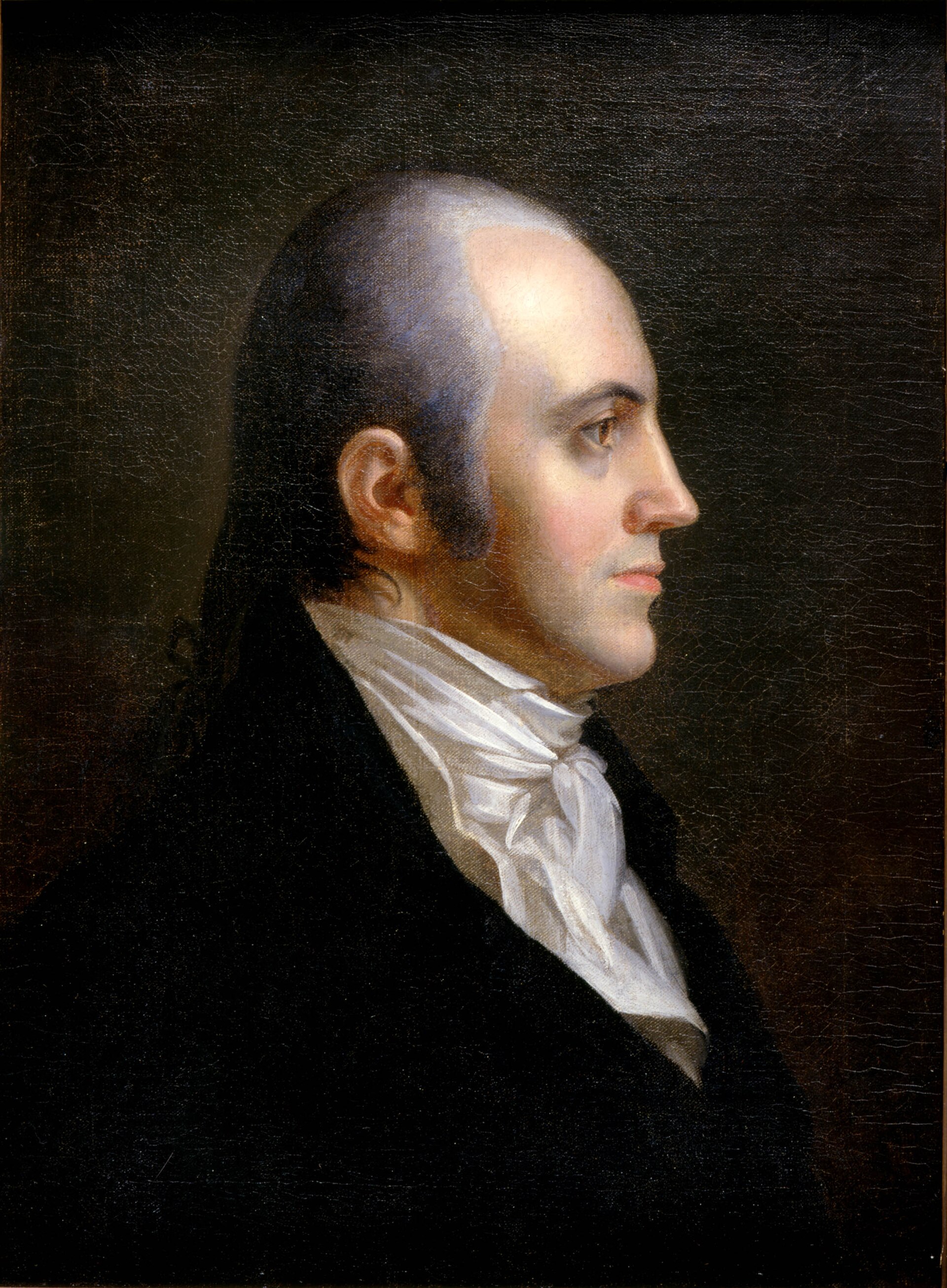
Later, The Western World drew attention to another alleged secret plan, this time involving former Vice President Aaron Burr. Beside Burr in that story was a name the weekly’s readers had already seen: General James Wilkinson.
The first series looked back at an alleged plan to split the West from the United States and align it with Spain. The later coverage concerned a separate alleged plot involving Burr and Wilkinson. Wilkinson’s presence in both accounts is the connection; it does not make them one continuous plot, and the newspaper did not prove that they were.
What Wood and Street managed with four pages a week was to put accusations against some of Kentucky’s most prominent men, and the Army’s highest-ranking officer, into print. The replies came in letters, lawsuits, and rival newspaper accounts. And when a separate allegation brought Wilkinson’s name back into The Western World, it was the general who was familiar, not the plot.
The short answer
John Wood and Joseph Montfort Street named General James Wilkinson in The Western World’s opening series on an alleged plan to split western lands from the United States and align them with Spain. The accusations brought threats, duel challenges, and libel suits; within weeks, Street was shot in a street confrontation, not a duel. The paper later drew attention to a separate alleged plot involving Wilkinson and Aaron Burr.
Timeline
- Early 1806John Wood and Joseph Montfort Street arrive in Frankfort from Richmond, Virginia.
- July 1806The Western World begins publishing in Frankfort and names General James Wilkinson in its opening series.
- July 25, 1806John Brown writes to President Thomas Jefferson, denying the paper’s accusations and reporting that it had disturbed Kentucky’s peace.
- November 1806An issue of The Western World carries the firm’s own press imprint.
Key people
- John WoodScottish-born writer and co-founder of The Western World
- Joseph Montfort StreetCo-founder and editor of The Western World
- James WilkinsonHighest-ranking U.S. Army officer, named in both alleged plots
- John BrownFormer U.S. senator who denied the paper’s accusations
- George AdamsMan who shot Street during a street confrontation
- Aaron BurrFormer vice president named in the later alleged plot
Sources
- James E. Lewis Jr., The Burr Conspiracy: Introduction
- Library of Virginia: John Wood
- James E. Lewis Jr., The Burr Conspiracy
- History of Franklin County
- The Star’s coverage, Maryland State Archives
- To Thomas Jefferson from John Brown, 25 July 1806
- JAMES WILKINSON - by Charles Willson Peale, from life — Google Arts & Culture
- Wooden Hand Presses | Smithsonian Institution
- James Wilkinson by Charles Willson Peale (1797 date QS:P571,+1797-00-00T00:00:00Z/)
- Charles Frederick Lindauer I (1836-1921) named by the Lexow Commission for being in the numbers game or policy racket by Anonymous Unknown author (1894-10-12)
- James Wilkinson by John Wesley Jarvis by John Wesley Jarvis (5 April 2012)
- A new map of North America, shewing the advantages obtain'd therein to England by the peace LOC 2015591095 by Unknown author Unknown author (1763)
- Rembrandt Peale - Thomas Jefferson title QS:P1476,en:"Rembrandt Peale - Thomas Jefferson " label QS:Len,"Rembrandt Peale - Thomas Jefferson " label QS:Lbn,"টমাস জেফারসন" label QS:Lru,"Томас Джефферсон" label QS:Lde,"Thomas Jefferson" by Rembrandt Peale (1800)
- Aaron Burr (1756–1836) title QS:P1476,en:"Aaron Burr (1756–1836) " label QS:Len,"Aaron Burr (1756–1836) " by John Vanderlyn (1802 date QS:P571,+1802-00-00T00:00:00Z/)
Further reading
- The Burr Conspiracy: Uncovering the Story of an Early American Crisis by James E. Lewis Jr.. Useful for following the separate Burr affair and the competing accounts around it.