A British Warship Fired in Peacetime. What Did Jefferson Do Instead of War?
A British warship fired on an American frigate in peacetime, then sent a boarding party to seize four sailors.
What did President Thomas Jefferson do after HMS Leopard attacked USS Chesapeake, and how did that response differ from the embargo and the war that followed?
June 22, 1807 — Off Cape Henry, Virginia. The American frigate Chesapeake had left Hampton Roads that afternoon, bound for the Mediterranean, when the British warship Leopard intercepted her. Britain and the United States were at peace.
Royal Navy Lieutenant John Meade came aboard with a written demand to search for deserters. Commodore James Barron, who led the American squadron from Chesapeake, refused to let the British assemble and inspect the crew. Leopard opened fire.
The order behind the attack
The demand began with an order British Admiral George Berkeley issued from Halifax on June 1. Royal Navy sailors had deserted while British ships watched two French warships sheltering in Chesapeake Bay. Berkeley directed British captains to search Chesapeake if they encountered her at sea outside U.S. limits.
The order named HMS Halifax but omitted HMS Melampus, the former ship of three of the four men the British would seize. It also said Americans could search a British ship for their own deserters if they made a similar demand. That provision did not make Barron any more willing to hand over his crew for inspection.
Chesapeake’s log records just one American shot before the frigate lowered its colors. Stores and equipment obstructed the gun deck. Historians disagree on how long Leopard fired: the American log puts it at about 30 minutes, while the British account summarized by naval historians gives 10 to 15.
Three Americans were killed in the attack, and one wounded sailor, Robert McDonald, later died of his wounds. The sources disagree on the number wounded: Chesapeake’s log lists 16, while the Naval History and Heritage Command exhibit and a reconstruction based on the court-martial give 18. Captain Salusbury Pryce Humphreys, who commanded Leopard, took four sailors but declined to take the frigate itself as a prize. The damaged Chesapeake returned to Hampton Roads on June 23.
Jefferson’s answer: British armed vessels out
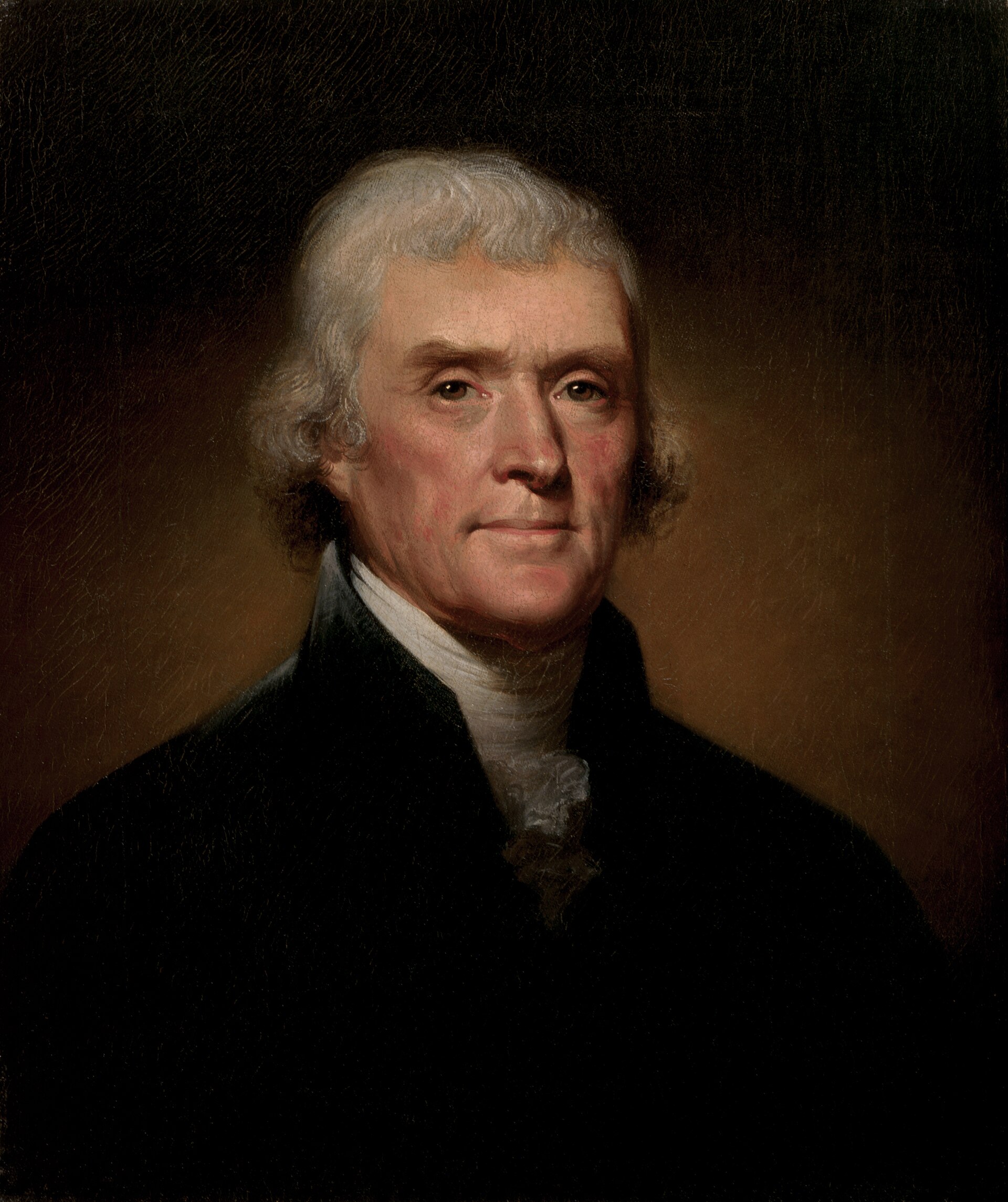
President Thomas Jefferson did not answer the attack with war. On July 2, 1807, he ordered British armed vessels out of U.S. waters. His proclamation barred them from returning, with limited exceptions. It was an order aimed at British armed vessels, not yet a broad restriction on American trade.
The trouble went well beyond the four men taken from Chesapeake. Britain, at war with Napoleonic France, was interfering with American shipping. There was also the dispute over impressment, the forced recruitment of sailors into Royal Navy service. All four men seized from Chesapeake had deserted the Royal Navy, and three of them were American-born.
The attack helped push Jefferson’s administration toward the embargo that December. The distinction matters: the July proclamation told British armed vessels to stay out of U.S. waters; the December embargo broadly restricted American commerce overseas. It did not single out Britain.
A return in wartime
For the four sailors, the consequences were more immediate. The Royal Navy hanged London-born Jenkin Ratford aboard Halifax on August 31, 1807. Daniel Martin, John Strachan, and William Ware, the three American-born men who had deserted Melampus, were each sentenced to 500 lashes, but those sentences were commuted.
Barron faced a U.S. Navy court-martial. It convicted him on one of four charges: failing to clear Chesapeake for action when a fight became probable. He was suspended without pay for five years, beginning February 8, 1808.
Britain again disavowed the attack and offered redress in November 1811. British minister Augustus John Foster made the offer to Secretary of State James Monroe on November 1, and the United States accepted it on November 12. The two countries were still at peace.
By the time Martin and Strachan were returned aboard Chesapeake in Boston Harbor on July 11, 1812, Ware had died in Halifax. At the handover, American Lieutenant Jesse Wilkinson reminded the British officer that the men had been taken “in time of Peace.” Captain William Bainbridge recorded those words in his report that day.
The timing gave Wilkinson’s words their point. The United States had already declared war on Britain on June 18, 1812. The attack helped drive the two countries toward war, but it was not the start of that war: Jefferson’s answer in July 1807 was to order British armed vessels out, and the declaration came five years after the attack.
The short answer
Jefferson ordered British armed vessels out of U.S. waters on July 2, 1807, and barred their return, with limited exceptions. The attack helped prompt the broader December embargo, but the United States did not declare war on Britain until June 18, 1812.
Timeline
- June 1, 1807Admiral George Berkeley orders British captains to search Chesapeake if they encounter her at sea outside U.S. limits.
- June 22, 1807HMS Leopard fires on USS Chesapeake off Cape Henry and seizes four sailors.
- July 2, 1807Jefferson orders British armed vessels out of U.S. waters and bars their return, with limited exceptions.
- December 1807The embargo broadly restricts American overseas commerce rather than targeting Britain alone.
- November 1, 1811Britain again disavows the attack and offers redress.
- November 12, 1811The United States accepts Britain’s offer of redress.
- June 18, 1812The United States declares war on Britain.
- July 11, 1812Daniel Martin and John Strachan are returned aboard Chesapeake in Boston Harbor.
Key people
- Thomas JeffersonU.S. president who ordered British armed vessels out of U.S. waters
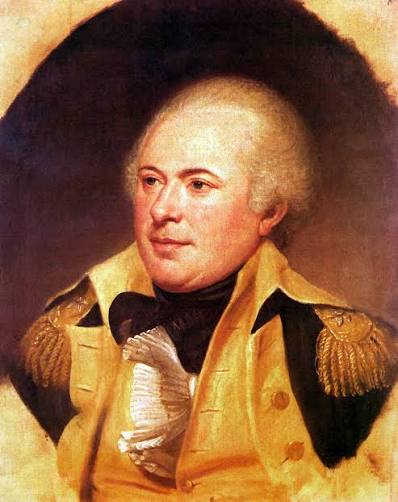
- James BarronAmerican commodore who refused the British demand to search Chesapeake
- George BerkeleyBritish admiral who issued the order to search Chesapeake
- Salusbury Pryce HumphreysCaptain of HMS Leopard
- Daniel MartinSailor seized in 1807 and returned aboard Chesapeake in 1812
- John StrachanSailor seized in 1807 and returned aboard Chesapeake in 1812
Sources
- The Naval War of 1812, Volume 1, Chapter 1
- U.S. Neutrality and the Napoleonic Wars, Office of the Historian
- American State Papers: Foreign Relations, Volume 3
- H-089-1: Don’t Give Up the Ship!
- The Chesapeake-Leopard Affair, Naval History Magazine
- USS Chesapeake–HMS Leopard Affair, Naval History and Heritage Command
- Jefferson’s Proclamation in Response to the Chesapeake Affair, Miller Center
- Augustus John Foster to James Monroe, November 1, 1811, Papers of Martin Van Buren
- The Naval War of 1812, Volume 1, Chapter 2
- SHIPS' DATA — 69
- Leopard (1790); Hannibal (1779) | Royal Museums Greenwich
- Uniform Regulations, 1802
- Lewis’ and Clark’s American Flag (U.S. National Park Service)
- ParkReport_main